OpenTable Virtual Assistant: a VA who runs the book, the waitlist and the cover fees
For chef-owners and restaurant managers whose whole front of house lives in OpenTable, and whose only booking administrator is whoever is nearest the pass.
30 minutes with Jenn, the founder. No card, no lock-in.
What your VA actually does inside OpenTable
Reservation book and floor plan
A daily pass on today's book before lunch service: large parties checked against real table combinations on the floor plan, double-seatings caught, special requests read and actioned, and the book left in a state the host stand can trust.
Shift and availability settings
OpenTable's shift editor decides what diners can actually book: pacing per 15 minutes, party size limits, turn times, and which tables are online. Your VA keeps these matched to reality, opens or trims availability for quiet Tuesdays and booked-out Saturdays, and builds special shifts for public holidays and set-menu nights.
Guest database tags and notes
Regulars tagged as VIPs, allergies and dietary notes recorded on the guest profile so they follow the diner to every visit, celebration dates noted, and no-show offenders flagged, so the floor greets people like the restaurant remembers them.
Waitlist and booking enquiries
Working the waitlist outside service, converting waitlisted diners into confirmed covers when cancellations land, and handling the reschedule and 'can you fit eight at seven' messages that otherwise interrupt a chef mid prep.
Review responses
OpenTable reviews come only from verified diners who actually sat, and they show on your profile whether you reply or not. Your VA drafts responses in your voice on a cadence you approve, and escalates anything serious, an allergy claim, a staff complaint, straight to you before a word is posted.
Experiences and events setup
Building ticketed set menus, wine dinners and holiday seatings as OpenTable Experiences, with pricing, prepayment and inventory configured, so your big-margin nights are bookable instead of living in an Instagram caption.
Covers, no-show and channel reporting
The weekly numbers pass: covers by channel so you can see what the $1.50 network cover fee is actually buying versus the far cheaper direct bookings from your own site, the no-show report, and cancellation trends, summarised in plain English every Monday.
Nobody searches “opentable virtual assistant” from a quiet office. You search it at 11pm after close, because the book for Saturday has a ten-top sitting on tables that don’t combine, three unanswered reviews are ageing on your profile, and the person responsible for all of it also plated 140 covers tonight. OpenTable runs the front of house now, especially since TheFork packed up its Australian operation in 2024 and Quandoo followed in 2026, and someone has to run OpenTable.
The daily rhythm a VA runs in your OpenTable
Morning, hours before the first booking walks in: the book gets its pass. Your VA opens today in the reservation book and reads it the way a good manager would. The eight-top at 7:30 gets checked against the floor plan to make sure the table combination actually exists tonight and isn’t blocked by a 6pm sitting that turns late. Special requests get read, not skimmed: the anniversary note gets flagged to the floor, the anaphylaxis note gets confirmed against the guest profile and highlighted for the kitchen. Anything that smells like a problem, a 12-person booking made overnight with no phone number, a diner tagged as a repeat no-show holding a prime Saturday table, gets raised with you before it becomes a service issue.
Then the shifts. OpenTable’s shift settings are where most Australian restaurants quietly bleed: pacing set to defaults, turn times that don’t match how your room actually runs, party-size caps that either let in bookings the kitchen can’t handle or block ones it could. Your VA keeps the shift editor matched to reality. Long weekend coming up? A special shift gets built with its own pacing and hours. Set-menu Tuesday in winter? Availability trimmed and the Experience linked so diners book the actual offer. When you’re booked solid, tables come off the network so you’re not paying network cover fees for demand you already had.
The guest database gets worked, not just accumulated. OpenTable carries tags and notes on every diner profile, and they follow the guest to every future booking, but only if someone writes them. Your VA tags the regulars, records the dietaries, notes who always asks for the corner table and who left early last time because of a draught. Six months of that discipline is the difference between a booking system and a guest book.
Reviews get answered on a cadence you approve. OpenTable reviews only come from verified diners who genuinely sat, which makes them worth taking seriously, and an unanswered two-star sits on your profile telling every prospective booker that nobody’s home. Your VA drafts replies in your voice, publishes the routine ones, and sends anything sharp, an allergy claim, an accusation about a staff member, to you untouched.
Weekly, the numbers. This is the part almost no owner does and every owner should. The covers report split by channel shows exactly how many bookings came through OpenTable’s network at $1.50 a cover versus direct bookings through the widget on your own website, which cost a fraction of that or nothing depending on your plan. The no-show report shows who burned you and whether your confirmation settings and credit card hold policy are actually working. Your VA runs both every Monday and sends a five-line summary: covers, channel mix, fee spend, no-shows, and the one thing worth changing this week.
The migration project, if you’re coming off TheFork or Quandoo
A large slice of the restaurants calling us about OpenTable right now aren’t optimising, they’re migrating, because their old platform is either already gone or counting down to its Australian shutdown. The ugly truth of switching is that nothing moves itself. Your guest history, the tags, the dietaries, the five years of knowing your regulars, does not appear in OpenTable automatically; it has to be exported, cleaned and imported, and then someone has to rebuild the notes that made it useful. Your shifts and floor plan start as defaults that fit nobody’s room. And every booking link you’ve ever published, on your website, your Google Business Profile, the Instagram bio, that food blogger’s article from 2023, points at a dead platform until someone hunts them down.
That is a fortnight of patient, boring, high-stakes admin, and it’s precisely the work a VA does well: methodical, checkable, done while you keep running services. It’s also the single best time to set the account up properly, because you’re touching everything anyway.
The honest bit
Things OpenTable will not do, no matter who’s driving it.
It will not fill your quiet nights by itself. The diner network is real, and it’s the biggest one still operating in Australia, but the network sends demand where demand already wants to go. A dead Tuesday needs an Experience, an offer, or marketing, not a hope that the algorithm notices you.
It will not answer your phone. Diners who ring still reach whoever picks up, and during service that’s nobody or the wrong somebody. A VA takes the daytime booking calls and messages off the floor, but the platform itself is silent. If phone answering is the bigger wound, the virtual receptionist page covers that side properly.
It will not stop no-shows on its own. Confirmation messages, credit card holds and a cancellation policy do that, and all three are settings that require decisions from you and maintenance from someone. Restaurants that set them once in 2022 and never looked again are usually leaking.
And the fees are the fees. The $1.50 network cover charge is how OpenTable makes money, and with TheFork gone and Quandoo on the way out there is no meaningful Australian alternative with a comparable diner network to threaten it with. The honest play isn’t avoiding the fee, it’s managing the mix so you pay it for genuinely new diners, not for your own regulars who would have booked direct.
What stays with you
Hospitality isn’t a regulated profession, but a restaurant still has decisions no remote assistant should make. Menu pricing, deposit amounts and the cancellation policy are yours: the VA configures what you decide, and flags when the data says a setting isn’t working, but doesn’t set policy. Comping a table after a bad night is a judgement call that stays with whoever owns the P&L. Any review or message involving a food safety claim, an allergy incident or a staff accusation escalates to you under a written rule before anything is posted publicly. And structurally, OpenTable’s own role permissions hold the line on money: the VA’s limited login runs the book, the guests and the reports, while billing, plan changes and account ownership stay behind your All Access login. That boundary isn’t a promise we typed into a policy document, it’s how the platform is built.
What it costs and where to start
OpenTable administration sits on DotVA’s admin tier at $12-17 AUD an hour excl GST, and most restaurants land at 10-15 hours a week, roughly $500-1,100 a month, which is usually less than a single month’s network cover fees at a busy venue. Placement takes 7-10 business days, and your VA spends the first 5-7 days supervised inside your OpenTable, starting with the book pass and guest notes, before doing anything solo. A $500 refundable deposit credits against your first month, there’s a 30-day recalibrate-or-replace guarantee, and no lock-in beyond 30 days notice. We’ve made 87+ Australian placements since 2024, so the process is worn smooth.
If you want the wider view of what a VA does across a venue, the hospitality page covers the industry properly, the customer support page covers the enquiry side, and the VA cost guide has the full pricing picture with nothing hidden. Otherwise book a discovery call with Jenn, describe your room and your booking mess, and she’ll tell you straight whether ten hours a week fixes it.
Industries that run on OpenTable
The tasks this usually covers
OpenTable VA questions
Will the VA actually know OpenTable, or am I training someone from scratch?
OpenTable is now the dominant reservation platform in Australia, especially since TheFork left in 2024 and Quandoo followed in 2026, so candidates with genuine OpenTable hours exist and we match you with one where we can. Either way the ramp is 5-7 days supervised inside your account, starting with the reservation book and guest notes before anyone touches shift settings.
Can the VA change our plan or see our billing?
No. OpenTable lets you build a custom role with only the permissions you tick, so the VA's login covers the book, shifts, floor plan, guests, reviews and reports and nothing else. Billing details, subscription changes and agreement signing sit with the All Access role, which stays yours.
Can a VA actually reduce our OpenTable fees?
Partly, and honestly. Your monthly plan fee is fixed, and the $1.50 network cover fee is the price of OpenTable's diner network finding you. What a VA controls is the mix: keeping your own website's booking widget prominent, watching the covers-by-channel report weekly, and flagging when network covers are filling tables your regulars would have booked direct anyway. Owners who never look at that report pay for covers they didn't need to.
We just moved off TheFork or Quandoo. Can the VA handle the migration mess?
Yes, and this is currently the most common first project. Guest history does not walk across platforms by itself, so the VA imports and tidies the old guest book, rebuilds regulars' tags and dietary notes in OpenTable, recreates your shifts and floor plan properly rather than accepting the defaults, and updates every booking link on your website, Google Business Profile and Instagram bio so nothing points at a dead platform.
Is this overkill for a 40-seat neighbourhood restaurant?
At 10 hours a week, no. That is roughly two hours a day across the book pass, waitlist, reviews and guest notes, which is exactly the work that currently happens between dockets or not at all. If you seat under about 25 covers a night and never run events, you may not need a VA yet, or only as part of a 10-hour role that also takes your other admin, and Jenn will tell you that on the call rather than sell you hours.
Book a free discovery call
30 minutes with me, the founder. Tell me you run OpenTable and what's eating your week, and I'll tell you honestly what a VA can own inside it, what it costs, and whether it makes sense.
1. Tell us what OpenTable work to take off your plate. 2. Pick a call time that suits. 3. Meet your shortlist of 3-5 matched VAs, usually inside 7-10 business days.
87+ Australian placements since 2024, a 30-day replacement guarantee and no lock-in: cancel any time in your first 14 days, then 30 days' notice. Audit the 5-stage vetting process and how VA access is secured before you book.
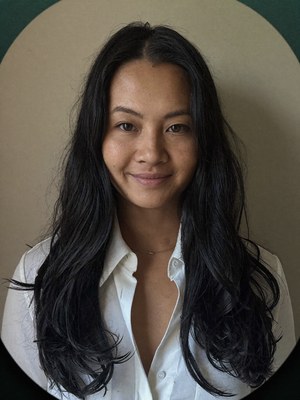
“I'll tell you straight on the call if DotVA isn't the right fit. I'd rather you go to the right agency than the convenient one.”
Jenn · Director, DotVA
Step 2 of 2
One step left: pick your time
Your details are with Jenn, but the call is not in her diary yet. Pick a time and it is locked in, about 20 seconds. Within 48 hours of the call you will have a written recap: the tasks we would delegate first, an indicative cost and a timeline.
Pick a time with Jenn now →Nothing that suits? Call (03) 9961 6076 and we will book it around you. Or leave it and Jenn will email you within one business day.
Looking for a VA job?
This form books a call with our client team.
It won't reach our hiring team, so it can't book you an interview. DotVA hires virtual assistants from the top 1% through a separate application system. If you think that's you, apply there with your resume, a short video and (if you have one) a little portfolio.
Apply at apply.dotva.com.au →Actually a business looking to hire a VA? Call (03) 9961 6076 or email [email protected] and we will sort it out.
Not ready for a call? Get an instant cost estimate (2 minutes, no email needed) or check if you are ready in 90 seconds.
VAs for other software & platforms