Dubsado Virtual Assistant: a VA who can unstick a stalled flow
For photographers, celebrants, designers and copywriters who built their whole client experience in Dubsado, and are now the only person running it.
30 minutes with Jenn, the founder. No card, no lock-in.
What your VA actually does inside Dubsado
Lead capture forms
Every submission creates a project in Dubsado, then waits for a human. Your VA opens whatever landed overnight, sends a same-day first reply from your canned emails, sets the project status and starts the right flow, so enquiries stop dying of old age.
Proposals and packages
Proposals assembled from your package templates with the contract attached, smart fields checked so 'Dear [Client First Name]' never goes out. The client picks a package, signs and pays the deposit in one sitting, while the enquiry is still warm.
Contracts and sub-agreements
Dubsado allows one contract per project, so everything extra, the model release, the change of scope, the third reschedule, goes out as a sub-agreement. Your VA assembles, sends and chases signatures; the clause wording stays yours.
Flows
The automation, kept honest. Anything waiting on its Approve button gets approved daily, flows stopped by a Pause workflow action get started back up, stalled projects unstuck when step three never fired because it was waiting on a form. Plus the big 2026 job: walking your 2.0 workflows through the new node-based builder before 2.0 retires.
Invoices and payment plans
Payment plans set up with automated payment reminders and autopay so the system does the first chase. The VA handles what automation can't: the card that fails on instalment two, the retainer that should be a recurring invoice, the client who didn't see three reminders.
Scheduler
Scheduler templates kept tight per session type, with the right questionnaire attached to the booking so the information arrives before the call does. Reschedules handled inside your rules instead of by apologetic email.
Client portals
Portals kept current so clients see this year's forms, invoices and next steps, not the questionnaire from the 2024 version of your offer. If you run a second brand, each portal stays in its own branding.
Projects page
A weekly pass of statuses and tags so the board reflects reality. Anything stalled gets flagged with a reason attached, which is how you find out a project is stuck before the client tells you.
Dubsado’s pitch is that it runs the business while you do the work people pay you for. It half delivers. The lead capture form catches the enquiry at 9:40 on a Tuesday night. Then it sits there, because the next step is you, and you’re editing a gallery or writing someone else’s website copy until midnight.
If you searched “dubsado virtual assistant”, you’re past being sold on the software. You built the packages, wrote the canned emails, maybe paid a certified specialist good money for a workflow setup in 2022. What’s missing is a person in the account every day, pulling the levers you built.
Worth saying why Dubsado owns this corner of Australia: HoneyBook, the obvious rival, only launched here in May 2026. Before that, Dubsado was the serious option for Australian creatives, so it’s where your last five years of projects, contracts and client emails live. Nobody migrates that in a hurry.
The rhythm a VA runs in your Dubsado
Morning: enquiries. Every lead capture submission creates a project, so your VA opens whatever landed overnight and sends a same-day first reply, from your canned emails, in your voice, with the status set and the right flow started. For photographers, this is the whole game: the couple who enquired with five studios books whoever answered first.
Booking stage: the proposal goes out assembled from your package templates with the contract attached, every smart field checked so “Dear [Client First Name]” never escapes. The client picks a package, signs and pays the deposit in one sitting. That select-sign-pay chain is the best thing in Dubsado, and it only converts while the enquiry is warm.
Through the week: approvals. If your flows hold client-facing sends with require approval ticked, and early on they should, each action sits there showing an Approve button until a human clicks it. On 2.0, an unapproved action expires three hours after triggering into a “too late to send” error someone has to clear. Your VA is that someone, daily, so the automation does what the flow map says. (Plan note: Flows and the Scheduler are Premier-only, and Starter allows one active lead capture form. If you’re on Starter wondering where the automation went, that’s where.)
Before every shoot or project: the questionnaire chase. Timeline questionnaires, brand questionnaires, ceremony details. The flow sends them on schedule; clients complete them because a human nudged. It’s client onboarding energy, pointed at the people who already said yes.
Money: payment plans with automated payment reminders and autopay do the first chase themselves once they’re set up properly, and your VA makes sure they are. The rest is human work: the card that fails on instalment two, the client who didn’t see three reminders. That’s invoice chasing, done politely, in your name.
Friday: a pass of the Projects page. Statuses corrected so the board matches reality, stalled projects flagged with a reason, client portals checked so people see this year’s forms and not the questionnaire from the 2024 version of your offer.
The honest bit
Two things. First, Dubsado’s permission model is coarse: three roles, Basic, Accountant, Admin, and that’s the lot. No custom roles. Basic plus the optional Contracts and Invoices permissions covers most VA work, and three team seats are free on every plan, but there’s nothing finer-grained; you scope by which projects you assign. Second, the timing. Dubsado 3.0 shipped in November 2025, workflows were rebuilt as node-based Flows, and 2.0 is slated for retirement during 2026. This is the year someone walks every flow in the new builder and confirms it still does what you think it does. That QA is real work. It’s also exactly the work you’ve been not doing since November.
What stays with you
Your packages and your prices. Contract wording: the VA assembles and sends sub-agreements, they don’t draft clauses, because they’re not your lawyer. The creative relationship, since clients book you, not your inbox. And no flow goes live without your sign-off.
Cost and where to start
Day-to-day Dubsado admin sits on the admin tier at $12-17 AUD an hour excl GST; a ground-up flow rebuild is specialist work at $18-25. Most solo creatives run a 10-hour week. Placement takes 7-10 business days, with 5-7 days supervised inside your account before solo work, a refundable $500 deposit that credits to your first month, a 30-day recalibrate-or-replace guarantee, and no lock-in beyond 30 days notice.
The wider view is on the creative industries page, and the VA cost guide has the full pricing picture. Otherwise book a discovery call with Jenn, the founder, who has placed 87+ VAs into Australian businesses since 2024 and will tell you straight if all you need is an afternoon of flow QA. Bring the flow you suspect has been quietly broken since the 3.0 update.
Industries that run on Dubsado
The tasks this usually covers
Dubsado VA questions
Will the VA actually know Dubsado, or am I training someone from scratch?
Honest answer: the Dubsado talent pool is smaller than for something like Xero or Shopify, and we would rather say that than pretend otherwise. It is a strong platform in the photographer and online business manager world, so candidates with real Dubsado hours do exist, and where we can match you with one, we do. If the closest match is someone deep in a similar client management tool instead, HoneyBook, 17hats, Studio Ninja, we will say so on the discovery call. Either way the ramp is identical: 5-7 days supervised inside your account before any solo work, because your packages, canned emails and flows are yours, and a VA who ran someone else's Dubsado still has to learn your build. You sign off on the move to solo.
What can a VA actually see inside my Dubsado?
Dubsado has three team member roles. Basic sees only the projects you assign, with optional Contracts, Invoices and Templates permissions you can switch on as trust builds. Accountant is view-only access to invoices, transactions and reports. Admin sees nearly everything except Settings > Billing. Client card numbers are never visible to anyone, you included; payments live with Stripe, Square or PayPal. Three team seats are free on both plans, so give the VA their own login rather than sharing yours, because a shared login can't be scoped to anything.
Can the VA build or fix my flows?
Yes, and mid-2026 is the moment for it. Dubsado 3.0 launched in November 2025 with workflows rebuilt as visual, node-based Flows, and 2.0 is slated for retirement during 2026. A VA can walk every flow in the new builder, test each trigger against a dummy project, and flag anything that behaves differently. Day to day they keep flows honest: approving actions you've set to require approval before the three-hour window expires them, restarting paused flows, and unsticking projects where 'after all previous actions complete' never completed because step three was waiting on a form. Routine flow upkeep is admin tier; a ground-up rebuild of your whole client journey is specialist work at $18-25.
HoneyBook just launched in Australia. Should I switch instead of hiring help?
Probably not, and we have no stake in either product. HoneyBook opened to Australian businesses in May 2026 and it is a fine tool, but switching means migrating years of projects, contracts, templates and automations, then rebuilding the lot somewhere new. If your Dubsado mostly works and the real problem is that nobody runs it day to day, a VA fixes that for a fraction of what a migration costs in time and missed enquiries. And if you genuinely have outgrown Dubsado, the migration itself is a project a VA can run. Either way, fix the nobody-answers-the-enquiries problem first. It follows you to any platform.
What does a Dubsado virtual assistant cost?
Dubsado admin sits on our admin tier at $12-17 AUD an hour excl GST. Most solo creatives start at 10 hours a week, roughly $520-740 a month, covering enquiry triage, proposals, questionnaire chasing, payment plan follow-up and the weekly projects pass. Flow rebuilds and automation design sit at the specialist tier, $18-25. The refundable $500 deposit credits to your first month, the first 30 days carry a recalibrate-or-replace guarantee, and there is no lock-in beyond 30 days notice. Dubsado includes three team seats free on every plan, so your software bill doesn't move.
Book a free discovery call
30 minutes with me, the founder. Tell me you run Dubsado and what's eating your week, and I'll tell you honestly what a VA can own inside it, what it costs, and whether it makes sense.
1. Tell us what Dubsado work to take off your plate. 2. Pick a call time that suits. 3. Meet your shortlist of 3-5 matched VAs, usually inside 7-10 business days.
87+ Australian placements since 2024, a 30-day replacement guarantee and no lock-in: cancel any time in your first 14 days, then 30 days' notice. Audit the 5-stage vetting process and how VA access is secured before you book.
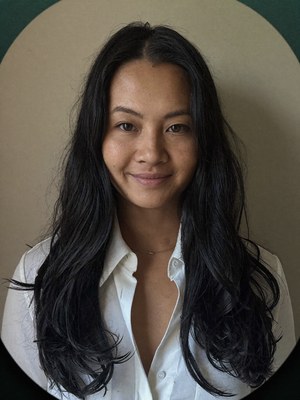
“I'll tell you straight on the call if DotVA isn't the right fit. I'd rather you go to the right agency than the convenient one.”
Jenn · Director, DotVA
Step 2 of 2
One step left: pick your time
Your details are with Jenn, but the call is not in her diary yet. Pick a time and it is locked in, about 20 seconds. Within 48 hours of the call you will have a written recap: the tasks we would delegate first, an indicative cost and a timeline.
Pick a time with Jenn now →Nothing that suits? Call (03) 9961 6076 and we will book it around you. Or leave it and Jenn will email you within one business day.
Looking for a VA job?
This form books a call with our client team.
It won't reach our hiring team, so it can't book you an interview. DotVA hires virtual assistants from the top 1% through a separate application system. If you think that's you, apply there with your resume, a short video and (if you have one) a little portfolio.
Apply at apply.dotva.com.au →Actually a business looking to hire a VA? Call (03) 9961 6076 or email [email protected] and we will sort it out.
Not ready for a call? Get an instant cost estimate (2 minutes, no email needed) or check if you are ready in 90 seconds.
VAs for other software & platforms