Virtual Assistants for Osteopaths (Australia)
A VA built for osteopathy clinics: rebooking the course of care, tracking CDM referrals, working the recall list, and clearing no-shows. From $12-17/hr AUD.
Reviewed by Jenn Yang · Director, DotVA · 87+ AU placements managed · Last checked 19 June 2026
30 minutes with Jenn, the founder. No card, no lock-in.
Rebooking the course of care at the desk. Osteopathic treatment is rarely one and done, but the moment a patient walks out without the next appointment booked, you have lost them, and nobody is chasing it. The single highest-value admin task in the clinic is the one most likely to be skipped when reception is slammed.
When it peaks: Quieter over the December to January holidays and again around Easter, then a hard run from autumn as people return to sport and work, plus a January spike as patients reset their private-health extras limits and their CDM visit count rolls over to a fresh five for the calendar year.
- Cliniko (official Osteopathy Australia partner, the default in most clinics)
- Nookal (Australian-built allied health practice management)
- Halaxy (practice management plus online claiming and referral network)
- Smartsoft Front Desk (long-running AU allied health PMS)
- HICAPS or Tyro (on-the-spot private health and Medicare claiming terminals)
Where the time goes
- Patients walk out without booking the next visit in their course of care, and no one chases it, so a six-visit treatment plan quietly becomes one visit and a gap in the diary.
- GP referrals for CDM (chronic disease management) plans lapse or run out of the five allowed visits, and you only notice when a rebate gets rejected and the patient is annoyed.
- The recall list, people who were treating well and then just stopped, sits untouched because there is never a quiet hour at the desk to work it.
- No-shows and late cancellations punch holes in a full-looking diary, because the reminder that would have saved the slot never went out.
- End-of-day HICAPS and Medicare reconciliation, the rejected claims and the gap payments, gets pushed to after hours when you should be home.
- New patient enquiries by phone, email and the online booking widget come in while you are hands-on with a patient, and the ones you do not answer fast book somewhere else.
- The single osteopath in a solo clinic is reception, bookkeeper and practitioner at once, and the admin only gets done in the gaps between treatments or at 8pm.
What a VA actually does for you
- Rebooking the next appointment in a course of care, and following up the same day when a patient leaves without booking, so treatment plans actually get completed.
- Tracking CDM (chronic disease management) referrals in Cliniko or Nookal: how many of the five visits are used, when the referral expires, and flagging the osteopath when a fresh GP referral is needed.
- Working the recall and reactivation list: contacting patients who lapsed mid-plan or have not been in for months, and offering them a time.
- Sending pre-appointment SMS and email reminders, confirming bookings, and filling cancellations from a short-notice waitlist to protect the diary.
- Reconciling end-of-day HICAPS and Medicare claims, chasing rejected claims, and following up unpaid gap fees and invoices.
- Answering new-patient phone, email and online-booking enquiries promptly, taking details, and booking the first appointment before they call the next clinic.
- Keeping patient records tidy in the practice management system: contact details, referral documents, fund details and treatment-note housekeeping (administrative fields only, never clinical content).
Osteopaths are registered health practitioners regulated by AHPRA and the Osteopathy Board of Australia, so a VA works strictly within the National Law: it does admin only and never gives clinical, triage or treatment advice, never tells a patient what their problem is or whether they should be seen, and routes any clinical question to the osteopath. Advertising any osteopathy service must meet the Board's advertising guidelines, so a VA does not write or publish patient testimonials about treatment, and any Medicare chronic-disease (CDM/EPC) claiming is processed against a valid GP referral and the rules set by Services Australia, never invented or stretched by the VA.
Reviewed by Jenn Yang, Director, DotVA. This describes how DotVA scopes a VA's work; it is general information only, not legal advice, and may not cover every state or situation. Confirm your own obligations with the relevant regulator or your adviser.
An osteopathy clinic lives or dies on two numbers most owners never look at directly: how many recommended courses of care actually get completed, and how many appointment slots go unfilled. Both are decided at the front desk, not on the treatment table. And in most clinics the front desk is whoever is closest to the phone, which is usually the osteopath, between patients, doing six jobs at once.
This page is about that front desk, and what changes when you hand it to someone whose only job is to run it well. Not the treatment, which is yours and stays yours, but everything around it: the rebooking, the referrals, the recalls, the reminders, the claims. The unglamorous engine that decides whether your diary is full.
The course of care is where the money leaks, and the desk is where you lose it
Osteopathic treatment is rarely a single visit. You assess, you treat, you recommend a plan, and the patient gets better over a course of care. That is good practice and it is also the economics of the clinic. But here is the leak almost every owner has: the patient walks out the door without the next appointment booked, reception is slammed, nobody chases it, and a six-visit plan quietly becomes one visit and a hole in next week’s diary. The patient did not decide to stop. They just never got rebooked, and three weeks later they have forgotten about it.
This is the single highest-value admin task in the whole clinic, and it is the one most likely to be skipped when the desk is busy. A VA owns it. The rule is simple and it never gets dropped: nobody leaves without the next visit booked, and when someone does slip out unbooked, they get a same-day follow-up offering a time. None of that is clinical. It is diary discipline, and it is the difference between treatment plans that finish and treatment plans that fizzle. Run properly across a year, completing courses of care is worth more than any amount of new-patient marketing, because you have already done the hard part of getting them through the door once.
Referrals expire, and you find out at the worst moment
If you take Medicare chronic disease management patients, you know the trap. A patient comes in on a GP care plan, the rebate flows, everyone is happy, and then on visit six the claim bounces because the plan only ever allowed five allied-health visits in the calendar year, shared across every allied-health provider that patient sees, not five just with you. Or the referral has expired. Either way you find out at the desk, in front of the patient, after the treatment, which is the worst possible moment.
A VA closes that gap by tracking it in the background. In Cliniko or Nookal they keep a running count of how many of the allowed visits a CDM patient has used, when the referral expires, and they flag you well before either runs out, so you can ask the patient to get a fresh referral from their GP before the next booking, not after a rejected claim. To be clear about the line: the VA does the paperwork and the tracking, against a valid GP referral and the Services Australia rules. They do not make eligibility calls, stretch a claim, or decide what is clinically warranted. That stays with you. They just make sure the admin around it is clean and nobody gets an awkward surprise at the counter.
The recall list is a full diary you are choosing not to open
Every clinic has one: the list of patients who were treating well, were partway through a plan or used to come in regularly, and then just stopped. Life got busy, the pain eased off, they meant to rebook and never did. That list is, quite literally, a diary full of appointments you already earned and are leaving on the table, because there is never a quiet hour at a busy desk to actually work it.
This is natural VA work and it is one of the fastest things to pay for itself. A VA works through the recall and reactivation list methodically, contacts the patients who lapsed, and offers them a time, all of it administrative, all of it within the Board’s advertising rules, which means a straightforward reminder that they were partway through care, not a testimonial-style sales pitch. Reactivating even a handful of lapsed patients a week turns a cost into a clear return, and it keeps doing it month after month because the list never stops generating.
No-shows and the half-empty diary that looks full
A diary can look fully booked on Monday and still bleed revenue all week, because no-shows and late cancellations punch holes in it that nobody fills. The fix is boring and it works: a confirmation and a reminder by SMS and email before every appointment, so the genuinely-cannot-make-it patients cancel with enough notice for you to fill the slot, and the simply-forgot patients turn up. Then, when a slot does open, a short-notice waitlist gets worked so the gap closes instead of sitting empty.
Most osteopaths know they should be doing all of this and most are not, because the person who would send the reminders is mid-treatment when they need to go out. A VA running this rhythm consistently is often the single clearest line of return in the whole arrangement: fewer empty slots, fewer dead Saturdays, and a diary whose fullness is real rather than theoretical.
The claims and the phone, the two things that always come last
Two more jobs reliably get pushed to the worst time of day. End-of-day HICAPS and Medicare reconciliation, the rejected claims and the unpaid gap fees, gets done at 8pm or not at all. And new-patient enquiries by phone, email and the online booking widget land while you are hands-on with someone, and the ones that do not get answered fast simply book at the clinic down the road, because a person in pain calls three places and goes with whoever picks up.
Both are squarely VA work. The reconciliation is a defined daily task: match the claims, chase the rejections, follow up the unpaid invoices, keep the numbers clean. The phone and enquiry handling is about speed: a VA answering the line and the inbox promptly, taking details and booking the first appointment before the caller moves on. For a solo clinic especially, getting these two off the osteopath’s plate is the difference between treating and being a part-time receptionist who occasionally treats.
What your VA owns, and what never leaves the clinic
The boundary here is not negotiable, and it is what makes the whole thing safe. Osteopaths are registered health practitioners regulated by AHPRA and the Osteopathy Board of Australia, and a VA works strictly within the National Law. They own the admin: booking, rebooking, reminders, recalls, referral tracking, claims reconciliation and record housekeeping. They do not own anything clinical. A VA never tells a patient what is wrong with them, whether they should be seen, or what treatment they need. Any question like that, and any genuine triage, goes straight to the registered osteopath. They also do not write or publish patient testimonials about treatment, because the Board’s advertising guidelines restrict that, and they keep all CDM claiming honest against a valid GP referral and the Services Australia rules.
That clean line is the point. You are not handing over judgement, clinical reasoning or compliance. You are handing over the diary engine and the paperwork, the parts that do not need your hands or your registration, so that your hands and your registration go to the only thing that actually requires them.
Why a VA suits an osteopathy clinic specifically
Two things make this niche a good fit. First, the seasonality: a clinic is quieter over the December and January holidays and around Easter, then runs hard through autumn as people return to sport and desks, with a January spike as patients reset their private-health extras limits and their CDM visit count rolls over to a fresh five for the new calendar year. A VA lets you scale the hours up for the busy stretches and back for the quiet ones, instead of carrying a fixed local wage through the slow weeks. Second, the work is almost entirely system-based: it runs through Cliniko, Nookal, Halaxy or Front Desk, the clinic phone and SMS, none of which require someone physically at the desk. If your rooms run Cliniko, the Cliniko virtual assistant page shows the exact workflows a VA owns inside it, and there is a matching walkthrough for Halaxy practices.
If you want real numbers on the tiers, the 2026 cost breakdown walks through them, or you can model your own hours on the VA cost calculator. Osteopathy sits inside the broader allied health virtual assistant world, so if you also run physiotherapy or exercise physiology under the same roof, the same front-desk logic applies across the whole clinic. Multidisciplinary rooms with a foot clinic attached should read the podiatry virtual assistant page as well, because the orthotic lab pipeline adds a cycle the other disciplines do not have.
The treatment is the reason patients come to you, and it is the one thing no one else can do. The rebooking, the referrals, the recalls and the claims are the reason your diary is either full or leaking, and none of them need you. If that is the constraint you are feeling, book a free discovery call and we will map exactly which parts of your front desk come off first.
What a VA costs for Osteopaths
Payback comes from the appointments you stop leaking. An osteopath who rebooks the second and third visit of a course of care, instead of letting patients drift off after one treatment, keeps a diary full. Recovering even two or three lapsed patients a week, plus the no-shows you head off with a reminder, covers the VA several times over.
Indicative only, based on DotVA's published tiers (admin $12-17/hr, specialist $18-25/hr, bookkeeping $25-35/hr) and typical hours for this industry. Run your exact numbers on the VA cost calculator or see the full 2026 cost breakdown.
FAQs for Osteopaths
Can a VA handle our front desk if they are not physically in the clinic?
Yes. The osteopathy front desk is overwhelmingly remote-capable work: it runs through your practice management system (Cliniko, Nookal, Halaxy or Front Desk), the phone, SMS and email. A VA logs into the same diary you do, answers the clinic line, sends reminders, rebooks the course of care, works the recall list and reconciles claims, all without being in the room. The hands-on treatment obviously stays in the clinic; almost everything around it does not have to be.
How does a VA help us complete more courses of care?
By owning the rebooking and the follow-up. The biggest leak in most osteopathy clinics is patients who get one treatment and never book the next, even though the osteopath recommended a plan. A VA makes sure the next appointment is booked before the patient leaves, and chases the same day when it is not. They also work the recall list of people who fell off mid-plan. None of that is clinical, it is diary discipline, and it is the difference between a treatment plan that finishes and one that fizzles after a single visit.
Will a VA touch anything clinical or give patients advice?
No, and this is a firm line. Osteopaths are registered with AHPRA and the Osteopathy Board of Australia, and a VA works only on admin. They do not tell a patient what is wrong with them, whether they should be seen, or what treatment they need, and any question like that goes straight to you. They handle booking, reminders, referral tracking, claims and records, and route every clinical or triage question to the registered practitioner. They also do not write or publish patient testimonials about treatment, because the Board's advertising rules restrict that.
Can a VA manage our Medicare CDM and private health claiming?
On the admin side, yes. A VA can track CDM (chronic disease management) referrals against the five-visit calendar-year cap, flag when a referral is expiring or used up so you can ask the patient's GP for a new one, and reconcile the day's HICAPS and Medicare claims, chasing the rejected ones. What they do not do is invent or stretch a claim: any Medicare rebate is processed against a valid GP referral under the Services Australia rules, and the VA keeps the paperwork clean rather than making clinical or eligibility judgements.
We are a small solo clinic. Is a part-time VA worth it?
Solo clinics are often where it makes the most difference, because the osteopath is currently the receptionist too. Even ten to fifteen hours a week of a VA answering the line, rebooking, sending reminders and chasing referrals takes the admin off the one person who should be treating. You scale the hours to your diary and pay only for those hours, with no super, leave loading or payroll tax that a local part-time hire would carry.
A placement like this in practice
Illustrative composite case studies, built from patterns across real DotVA placements. Identifying details anonymised; figures are indicative, not one client's measured results.
Book a free discovery call
30 minutes, no card, no obligation. Tell us what's eating your week and we'll tell you what a VA can take off your plate.
1. Tell us what to take off your plate. 2. Pick a call time that suits you. 3. Meet your shortlist of 3-5 matched VAs, usually inside 7-10 days of the call.
87+ Australian placements since 2024, a 30-day replacement guarantee and no lock-in: cancel any time in your first 14 days, then 30 days' notice. Audit the 5-stage vetting process and how VA access is secured before you book.
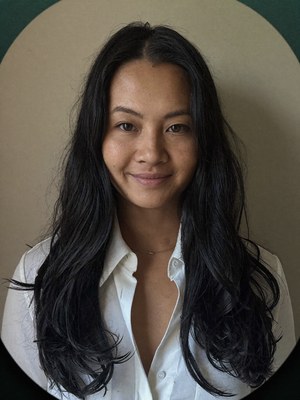
“I'll tell you straight on the call if DotVA isn't the right fit. I'd rather you go to the right agency than the convenient one.”
Jenn · Director, DotVA
Step 2 of 2
One step left: pick your time
Your details are with Jenn, but the call is not in her diary yet. Pick a time and it is locked in, about 20 seconds. Within 48 hours of the call you will have a written recap: the tasks we would delegate first, an indicative cost and a timeline.
Pick a time with Jenn now →Nothing that suits? Call (03) 9961 6076 and we will book it around you. Or leave it and Jenn will email you within one business day.
Looking for a VA job?
This form books a call with our client team.
It won't reach our hiring team, so it can't book you an interview. DotVA hires virtual assistants from the top 1% through a separate application system. If you think that's you, apply there with your resume, a short video and (if you have one) a little portfolio.
Apply at apply.dotva.com.au →Actually a business looking to hire a VA? Call (03) 9961 6076 or email [email protected] and we will sort it out.
Not ready for a call? Get an instant cost estimate (2 minutes, no email needed) or check if you are ready in 90 seconds.
VAs for other industries