Virtual Assistants for Dietitians (Australia)
A VA for an APD private practice: tracking Medicare CDM five-visit caps and referral expiry, chasing GP plans, lodging HICAPS and NDIS rebates, running Cliniko.
Reviewed by Jenn Yang · Director, DotVA · 87+ AU placements managed · Last checked 19 June 2026
30 minutes with Jenn, the founder. No card, no lock-in.
Tracking the Medicare CDM five-visit cap and the referral expiry date across your whole patient book, so you never bill a sixth rebated session or let a GP plan lapse mid-program. Get it wrong and you are either explaining a clawback to Services Australia or wearing the gap a patient thought Medicare would cover.
When it peaks: January is the wall: New Year weight and gut-health resolutions, plus GPs writing fresh chronic-condition plans for the new calendar year, drive a referral surge right when you are short-staffed after the holidays. A VA lets you scale hours for the January-to-March rush without a permanent hire.
- Cliniko (diary, online booking, invoicing, HICAPS)
- Halaxy (practice management with built-in claiming)
- Nutritics or Foodzilla (nutrition analysis, meal plans)
- Power Diary (scheduling, recalls, SMS reminders)
- PRODA and HICAPS (Medicare and private-health claiming)
Where the time goes
- Every CDM patient comes with a referral that expires and a five-visit calendar-year cap, and you are the only one tracking both in your head. Bill a session that has run out of eligibility and you are wearing a clawback or an awkward gap conversation.
- Initials only work if the GP Management Plan and the referral arrived first. Chasing a half-completed plan out of a busy GP clinic is its own job, and doing intake live because it did not land burns your longest appointment.
- HICAPS, Medicare and NDIS each claim differently, and the rejections, resubmissions and unpaid NDIS invoices pile up while you are in the room with a patient. The money is earned but not banked.
- NDIS dietetics admin is a world of its own: service agreements, the right line item, plan-managed versus self-managed invoicing, and 30-day payment terms that nobody is chasing.
- Meal plans, handouts and review resources are part of the service, but they get built at 9pm because daylight hours go to consults.
- Reviews and recalls leak. A patient on a 12-week plan who misses their week-six review just drifts, and the CDM visits they were entitled to go unused.
What a VA actually does for you
- Running the CDM tracker: logging each patient's referral date, expiry and remaining rebated visits, and flagging before the cap or the 12-month referral window is hit.
- Chasing GP Management Plans and referrals before the initial, so the consult is billable the day it happens.
- Lodging rebates: HICAPS for private health, Medicare claims for CDM sessions, and reconciling what actually paid against your appointment book.
- Processing NDIS dietetics admin: service agreements, correct line items, plan-managed invoicing, and chasing the 30-day payment terms.
- Diary and telehealth management in Cliniko, Halaxy or Power Diary: bookings, reminders, reschedules and no-show follow-up under a scoped user role.
- Formatting meal plans, handouts and review resources from your clinical content in Nutritics or Foodzilla, ready for your sign-off.
- Working the review and recall list weekly so patients use the rebated visits they are entitled to instead of drifting off the plan.
Dietetics is a self-regulated profession in Australia: there is no AHPRA register for dietitians, and the Accredited Practising Dietitian (APD) credential is administered by Dietitians Australia as the national standard recognised by Medicare, DVA and most private-health funds. That credential gates Medicare chronic-disease (CDM/EPC) claiming via Services Australia, plus NDIS and private-health (HICAPS) rebates, and it stays attached to you, the registered provider. A VA does admin only: bookings, referral tracking, rebate lodgement and follow-up. They never give clinical or dietary advice, never make an eligibility ruling, and never alter a nutrition plan.
Reviewed by Jenn Yang, Director, DotVA. This describes how DotVA scopes a VA's work; it is general information only, not legal advice, and may not cover every state or situation. Confirm your own obligations with the relevant regulator or your adviser.
An Accredited Practising Dietitian in private practice carries two jobs at once. One is the clinical work: the assessment, the nutrition plan, the behaviour-change conversation that actually moves a patient’s numbers. The other is a Medicare paperwork operation that runs underneath every consult and never quite stops. The first job is why patients are referred to you. The second is why your evenings disappear.
This page is about the second job. Not the dietetics, the machinery around it: the referrals, the five-visit caps, the rebates, the NDIS invoices, the recalls. The part that decides whether you can see a full book of patients or spend half your week reconciling claims.
First, who this page is not for. Naturopaths and clinical nutritionists outside the dietetics system are a different cohort, self-regulated, mostly private-pay, with no Medicare items, and they have their own naturopaths and nutritionists page. This page is for APDs: Medicare-eligible, referral-driven, claiming across CDM, NDIS and private health. The compliance picture and the admin pattern are genuinely different, which is the whole point of giving each its own playbook.
The five-visit cap is the admin that costs real money
Here is the trap that every CDM-heavy dietitian knows. A patient is referred under a GP Management Plan with up to five rebated visits in a calendar year, and the referral itself is valid for twelve months. Two clocks, running on different cycles, for every CDM patient on your books. Miss either one and the consequences land on you, not the patient: bill a sixth rebated session and you are explaining a clawback to Services Australia; let the referral lapse mid-program and the patient gets a gap they were never warned about, and they remember it.
Right now you are probably the only person tracking both clocks, and you are doing it in your head or in a note buried in the file. That works until you are carrying forty CDM patients at once, all on different referral dates, and the maths quietly stops being something one busy clinician can hold.
A VA fixes this by owning the tracker. The five-visit cap and the referral expiry are admin facts, not clinical judgements, so this is squarely delegable work: log each patient’s referral date, expiry and remaining rebated visits in your practice software, and flag you before a cap or a window is reached, not after. You stay the registered provider and the final word on eligibility. You simply stop being ambushed by a date you forgot. For most practices this one workflow justifies the placement on its own.
Referrals have to land before the initial, and GPs are busy
The other half of the CDM problem sits upstream. An initial consult is only billable if the GP Management Plan and the referral arrived first, and a half-completed plan from a flat-out GP clinic is a familiar reason to either do intake unpaid or push the patient back a week. Chasing that paperwork is real work, and it is exactly the kind of follow-up that never makes it to the top of a clinician’s list.
Handed to a VA, the referral becomes something that is actively chased rather than hoped for. They contact the referring practice, confirm the plan is complete and current, file it against the patient record, and tell you the consult is clear to bill before you walk into the room. You stop losing your longest, highest-value appointment to a missing form.
Three rebate streams, claimed three different ways
CDM is only one of the ways money comes into a dietetics practice. There is private health through HICAPS, there is Medicare for the CDM sessions, and there is NDIS, and each one claims, rejects and pays on its own logic. While you are in consult, the rejections, the resubmissions and the unpaid invoices stack up. The work is earned and the money is not yet banked, which is the worst place for a small practice to sit.
A VA keeps the three streams clean and moving. They lodge the HICAPS and Medicare claims, work the rejections, and reconcile what actually paid against your appointment book so a quietly declined claim does not just vanish. The in-room terminal tap stays with whoever is physically in the clinic; everything around it, the lodgement, the reconciliation, the follow-up, is remote work a VA does well.
NDIS dietetics is its own admin world
If you take NDIS participants, you already know it is a different animal. Service agreements, the correct line item for dietetics, plan-managed versus self-managed invoicing, and 30-day payment terms that no one is chasing unless someone makes it their job. It is precisely the kind of structured, rules-based admin that suits a trained VA, and precisely the kind that bleeds a clinic dry when it is squeezed into the gaps between consults.
Your VA manages the service agreements, raises invoices in the right format for each participant’s plan management, and chases the payment terms so NDIS revenue actually arrives on time. The line-item decision and the clinical scope stay with you as the provider. The paperwork and the chasing come off your plate entirely.
What your VA owns, and what stays yours
The boundary is clean and it matters more here than in most niches, because the credential and the claiming are personal to you. Your VA owns the admin: the diary, the referral tracking, the CDM cap, rebate lodgement, NDIS invoicing, recalls, and the formatting of your resources. You own the clinical work: the assessment, the nutrition plan, the eligibility judgement, and every word of dietary advice that reaches a patient.
Dietetics is self-regulated in Australia. There is no AHPRA register for dietitians; the Accredited Practising Dietitian credential is administered by Dietitians Australia and is the national standard that Medicare, DVA and the private-health funds recognise. That credential, and your provider number, stay attached to you. Self-regulation does not loosen the obligations that govern delegation:
- Privacy. Patient files are health information under the Australian Privacy Principles. Your VA gets a password-manager seat with no shared logins, a role-scoped account in your practice software, and a signed confidentiality agreement on day one. Clinical notes can be scoped out of VA access entirely, the same hard scoping used for psychologists.
- No clinical or eligibility decisions, ever. Whether a patient is eligible, what the plan should say, whether a meal plan should change: all of it escalates to you. The VA tracks the cap; you make the call on the patient in front of you.
- No dietary advice in anything they touch. They format your plan and your handouts; they never write or alter the nutrition content. The line is documented in the SOP before day one.
Meal plans and resources that actually ship
Your meal plans, handouts and review resources are part of what patients pay for, and they are also the work that loses to consults every single week. You supply the substance, a voice note after clinic is enough, and your VA turns it into a formatted, branded resource in Nutritics or Foodzilla, ready for your sign-off. Every DotVA placement includes AI training in week one, which is what makes a steady resource rhythm realistic on a part-time retainer: the VA drafts structure and formatting fast, and everything carrying clinical content goes to you to approve before it reaches a patient.
Why a VA beats a local reception hire for a dietetics practice
The seasonality is the clincher. A dietetics practice breathes with the calendar: January to March is a wall of New Year weight and gut-health resolutions stacked on top of GPs writing fresh chronic-condition plans for the new year, and the rest of the year is steadier. A permanent local receptionist is a fixed cost you carry through the quiet months, with super, leave and payroll-tax on-costs, whether the work is there or not. A VA lets you run 18-20 hours a week through the summer rush and step down to 10 hours a week, the minimum, when it eases, paying only for what you use.
If you want real numbers, the 2026 cost breakdown walks through the tiers, or model your own hours on the VA cost calculator. The broader allied-health picture, shared with OT, physio and speech, sits on the allied health page, and the closely related exercise physiology page covers the other CDM-funded discipline in the same building.
The dietetics is the reason your practice exists. The Medicare machinery is the reason it can only see so many patients a week. A VA does not touch the first and lifts the ceiling on the second. If the referral paperwork and the five-visit tracking are what is capping your week, book a free discovery call and we will map exactly which parts come off first.
What a VA costs for Dietitians
Usually from the rebated sessions you stop losing. One unbilled CDM visit because a referral lapsed, or one batch of NDIS invoices stuck unpaid for a month, costs more than a week of VA time. Plug those two leaks and the VA pays for itself before you count a single reclaimed clinical hour.
Indicative only, based on DotVA's published tiers (admin $12-17/hr, specialist $18-25/hr, bookkeeping $25-35/hr) and typical hours for this industry. Run your exact numbers on the VA cost calculator or see the full 2026 cost breakdown.
FAQs for Dietitians
Can a VA manage Medicare CDM claiming and the five-visit cap for a dietitian?
Yes, and it is the highest-value thing they do. The five-visit-per-calendar-year cap and the 12-month referral validity are admin facts, not clinical judgements, so a VA can own the tracker: logging each patient's referral date, expiry and remaining rebated visits in your practice software, and flagging you before a patient hits the cap or the referral lapses. They lodge the Medicare claim for each eligible session and reconcile what paid. You stay the registered provider and the final sign-off on eligibility; the VA stops the cap and the expiry date from ever being a surprise. That single workflow usually pays for the placement on its own.
Are dietitians regulated by AHPRA, and what does that mean for my VA?
No. Dietetics is self-regulated in Australia: there is no AHPRA register, and the Accredited Practising Dietitian credential is administered by Dietitians Australia as the national standard that Medicare, DVA and the private-health funds recognise. That credential, and your provider number, stay attached to you. It changes the regulator, not the obligations your VA works under: client files are health information under the Australian Privacy Principles, your VA gets role-scoped access with clinical notes scoped out, a signed confidentiality agreement on day one, and a hard rule that no dietary or clinical advice and no eligibility ruling is ever theirs to make.
Can a dietitian VA handle NDIS invoicing as well as Medicare?
Yes, and NDIS is often where the most admin hours hide. Your VA manages the service agreements, books services against the correct line item for dietetics, raises plan-managed or self-managed invoices in the right format, and chases the 30-day payment terms that otherwise slip. They keep Medicare CDM, private-health HICAPS and NDIS as three clean streams so nothing is double-claimed and nothing is left unpaid. The clinical scope and the line-item decision stay with you as the provider; the invoicing, lodgement and follow-up are VA work.
Who builds the meal plans and writes the nutrition advice?
You do, always. The clinical assessment and the nutrition plan are the practice, and they never get outsourced. Your VA handles everything around them: formatting your plan in Nutritics or Foodzilla, assembling the handouts and review resources from your content, and getting them ready for your sign-off before they reach the patient. A voice note after a consult is enough for them to turn a draft into a finished, branded resource. They format and deliver; the dietary advice is yours to write and approve.
We get slammed every January. Do we have to commit year round?
No. That is the main reason a VA beats a local reception hire for a dietetics practice. January to March is a wall of New Year referrals and fresh chronic-condition plans; the rest of the year is steadier. A VA lets you run 18-20 hours a week through the summer rush and drop to the 10-hour minimum, or pause, when it quietens, with no redundancy, no leave loading and no payroll tax. You pay for the hours the season actually needs.
A placement like this in practice
Illustrative composite case studies, built from patterns across real DotVA placements. Identifying details anonymised; figures are indicative, not one client's measured results.
Book a free discovery call
30 minutes, no card, no obligation. Tell us what's eating your week and we'll tell you what a VA can take off your plate.
1. Tell us what to take off your plate. 2. Pick a call time that suits you. 3. Meet your shortlist of 3-5 matched VAs, usually inside 7-10 days of the call.
87+ Australian placements since 2024, a 30-day replacement guarantee and no lock-in: cancel any time in your first 14 days, then 30 days' notice. Audit the 5-stage vetting process and how VA access is secured before you book.
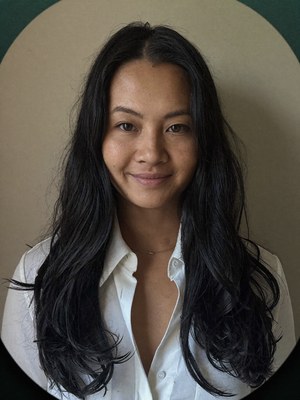
“I'll tell you straight on the call if DotVA isn't the right fit. I'd rather you go to the right agency than the convenient one.”
Jenn · Director, DotVA
Step 2 of 2
One step left: pick your time
Your details are with Jenn, but the call is not in her diary yet. Pick a time and it is locked in, about 20 seconds. Within 48 hours of the call you will have a written recap: the tasks we would delegate first, an indicative cost and a timeline.
Pick a time with Jenn now →Nothing that suits? Call (03) 9961 6076 and we will book it around you. Or leave it and Jenn will email you within one business day.
Looking for a VA job?
This form books a call with our client team.
It won't reach our hiring team, so it can't book you an interview. DotVA hires virtual assistants from the top 1% through a separate application system. If you think that's you, apply there with your resume, a short video and (if you have one) a little portfolio.
Apply at apply.dotva.com.au →Actually a business looking to hire a VA? Call (03) 9961 6076 or email [email protected] and we will sort it out.
Not ready for a call? Get an instant cost estimate (2 minutes, no email needed) or check if you are ready in 90 seconds.
VAs for other industries