Virtual Assistants for Orthodontists (Australia)
A VA built for ortho practices: 18-24 month treatment-plan admin, direct-debit reconciliation and active-patient scheduling, run inside Dolphin and your PMS.
Reviewed by Jenn Yang · Director, DotVA · 87+ AU placements managed · Last checked 19 June 2026
30 minutes with Jenn, the founder. No card, no lock-in.
Managing each patient's 18-24 month treatment plan and the direct-debit ledger that runs in parallel with it. Every active patient is a slow-moving project with adjustment appointments to keep booked, a payment schedule to keep on track, and failed debits to chase, across an active list of hundreds. That long-tail admin compounds in a way a six-month dental recall never does, and it is the work that quietly buries an ortho front desk.
When it peaks: Demand for new starts spikes around the school calendar: the post-summer-holiday new-year intake and the start of each term, when parents book consults and case-starts for kids. Records, consults and bond appointments cluster then, while the active-patient adjustment load runs year round. A VA lets you flex hours up for the consult surge without carrying a permanent hire through quieter stretches.
Where the time goes
- Every active patient is an 18-24 month project, and keeping each one's adjustment appointments booked the whole way through is relentless. Miss the rebooking and a patient drifts, the plan stretches, and the chair time you scheduled around them sits empty.
- The direct-debit and payment-plan ledger runs in parallel with a two-year course of care, so failed debits, arrears and missed instalments pile up quietly while the front desk is busy checking patients in and out.
- Records appointments, consults and bond starts cluster around the school terms, so the consult diary floods at the start of the year while the adjustment list keeps running underneath it.
- No-shows and short-notice cancellations on adjustment appointments leave expensive chair gaps, and nobody is free to backfill them from the active list in the moment.
- Private-health-fund, DVA and CDBS admin never stops: extras-cover quotes, annual-limit checks across multi-year plans, DVA claims, and CDBS eligibility checks for the general dental siblings even though braces themselves are not covered.
- You came into orthodontics to move teeth, and you are spending evenings reconciling a payment ledger and texting patients who missed a debit.
What a VA actually does for you
- Treatment-plan progression admin: keeping each active patient's adjustment appointments booked across the full 18-24 month course in Dolphin or your PMS, and flagging any patient whose visits have lapsed.
- Payment-plan and direct-debit reconciliation: matching the debit run against the ledger, identifying failed and missed payments, and chasing arrears on the schedule you set.
- No-show and short-notice backfill: working the active-patient list to fill an adjustment gap the moment it opens, rather than leaving the chair idle.
- Consult-surge scheduling: handling the new-year and term-start booking flood, sending records and intake forms before the appointment, and keeping the new-patient pipeline moving.
- Health-fund and claiming admin: extras-cover orthodontic quotes, annual-limit checks across multi-year plans, DVA dental claims, and CDBS eligibility verification for general dental items.
- Recall and reactivation: chasing retention-phase and review patients, and reactivating consult enquiries that never converted to a case-start.
- Virtual reception on your practice number during Australian business hours, booking straight into your appointment book, with all clinical questions escalated to the orthodontist.
Orthodontics is a registered dental specialty: an orthodontist must hold specialist registration with the Dental Board of Australia, which is administered by AHPRA under the Health Practitioner Regulation National Law. The VA does administrative work only and never anything clinical. Advertising must comply with the National Law's rules enforced by AHPRA and the Board, so the VA never uses patient testimonials about treatment or claims that create an unreasonable expectation of benefit, and works only from wording the practice has approved. Claiming admin spans private health funds (extras cover for orthodontics), the DVA dental fee schedule, and CDBS eligibility checks. Note that CDBS does not fund braces, so the VA verifies eligibility rather than assuming it. Patient records are health information under the Privacy Act, so the Australian Privacy Principles apply.
Reviewed by Jenn Yang, Director, DotVA. This describes how DotVA scopes a VA's work; it is general information only, not legal advice, and may not cover every state or situation. Confirm your own obligations with the relevant regulator or your adviser.
An orthodontic practice does not run like a general dental one, and the difference is the whole reason this page exists. A dentist sees a patient, finishes the work, and books them back in six months. An orthodontist starts a patient on an 18-24 month course of care and then carries them, appointment by appointment, payment by payment, for the better part of two years. Multiply that by an active list of a few hundred patients and you have an admin load that does not reset twice a year. It accumulates, every month, in the background, while the front desk is flat out with arrivals and the consult diary.
This page is about that accumulating admin: the treatment plans, the adjustment appointments, the payment ledger, the claiming, the no-shows. Not the orthodontics, which stays entirely the specialist’s. The engine behind it, which is where the hours go.
Every active patient is a two-year project
In a general practice the unit of admin is a visit. In yours it is a plan. The moment a patient is bonded, they become a slow-moving project: a sequence of adjustment appointments that has to stay booked, in order, at the right intervals, all the way to debond and into retention. Drop the rebooking and the patient drifts, the treatment stretches past its estimate, and the chair time you had blocked for them sits empty while another patient who could have used it waits.
Keeping that progression on track across hundreds of active patients is relentless, and it is exactly the kind of work a busy front desk does last, after the phones and the checkouts. A VA scoped for ortho owns it: working through the active list in Dolphin or your PMS, keeping each patient’s next adjustment booked, and flagging any patient whose visits have lapsed so they get chased before they vanish. The clinical decisions about timing and sequence stay yours. The discipline of keeping the diary populated against your plan becomes someone else’s actual job.
The payment ledger runs in parallel, and it leaks
Here is the part that separates an ortho practice from almost every other small business in healthcare. The fee for a course of treatment is usually paid over the life of that treatment, by direct debit or a payment plan, across 18-24 months. So alongside every clinical plan there is a financial one running in lockstep, and it needs minding the entire time.
Debits fail. Cards expire. A patient changes banks and forgets to update the details. An instalment is missed and nobody notices because the front desk is busy and the ledger is not anyone’s daily job. Across an active list of a few hundred patients, a handful of quiet failures a month is real money, and over a two-year plan it compounds into arrears that are awkward to recover late and easy to write off.
A VA fixes this by owning the administrative side of the ledger. The debit run goes through your payment provider; what the VA does is reconcile that run against the ledger in your PMS, find the failed and missed payments, chase the arrears on the schedule you set, and surface the accounts that need a practice-manager or orthodontist decision. They do not set the terms, vary a plan or give financial advice. They keep the ledger accurate and the arrears worked, which over an 18-24 month book is usually where the VA pays for itself.
The consult surge follows the school calendar
Orthodontic demand is seasonal in a way dentistry is not, and it tracks the school year. The post-summer-holiday new-year intake and the start of each term are when parents book consults and case-starts for their kids. Records appointments, initial consults and bond appointments cluster into those windows, so the new-patient diary floods at exactly the time the active-patient adjustment load is still running underneath it.
This is the classic case for flexible hours. A permanent local admin hire is a fixed cost you carry through the quiet stretches whether the work is there or not, with super, leave and payroll-tax on-costs attached. A VA lets you run more hours through the consult surge, handling the records, the intake forms and the bond bookings, then wind back to the steady active-patient load when the rush passes. You pay for the hours each part of the year actually needs.
No-shows leave expensive gaps, and nobody is free to fill them
An adjustment appointment that no-shows is not a minor inconvenience. It is chair time you scheduled, staffed and blocked, now producing nothing, and an active patient whose treatment just slipped. The fix is backfilling the gap from the active list the moment it opens, and the reason it usually does not happen is that the one person who could make those calls is checking in the next patient.
A VA changes the maths because backfilling is remote work. The gap appears, the VA works the active list and the short-notice options, and the slot gets filled or the patient gets rebooked promptly rather than at the next free moment that never quite comes. The same person runs the recall and reactivation side: retention-phase and review patients chased, and consult enquiries that never converted to a case-start brought back into the pipeline.
Claiming admin: funds, DVA and CDBS
Orthodontic claiming has its own shape, and a few traps worth naming. Private health funds cover orthodontics through extras, with annual and lifetime limits that matter a great deal across a multi-year plan, so checking and tracking those limits is real work. DVA has its own dental fee schedule for eligible patients. And the CDBS one catches people out: the Child Dental Benefits Schedule does not fund braces, so the VA verifies eligibility for general dental items rather than assuming a child’s orthodontic treatment is covered.
All of that is administrative and delegable: extras-cover quotes prepared, annual-limit checks run across multi-year plans, DVA claims lodged, and CDBS eligibility verified for the general dental work where it applies. The clinical item numbers come from the orthodontist; the VA handles the claiming machinery around them.
What your VA owns, and what stays yours
The boundary is clean. Your VA owns the admin: treatment-plan progression, payment-plan and direct-debit reconciliation, no-show backfill, consult-surge scheduling, claiming, recall, and virtual reception on your practice number. You own the clinical work: diagnosis, the treatment plan itself, every decision about a patient’s care, and the financial terms of the plans you offer.
Orthodontics is a registered dental specialty. An orthodontist holds specialist registration with the Dental Board of Australia, administered by AHPRA under the National Law, and the VA does administrative work only, never anything clinical. The advertising rules enforced by AHPRA and the Board shape the marketing scope too: no patient testimonials about treatment, no claims that create an unreasonable expectation of benefit, and the VA works only from wording you have approved. Patient records are health information under the Privacy Act, so the Australian Privacy Principles apply, and the access setup, the 1Password Teams seat, the role-scoped PMS access, the day-one confidentiality agreement, is built around that.
Why a VA beats a local admin hire for an ortho practice
Two reasons stack here. The seasonality means a permanent hire is a fixed cost against a variable load, while a VA flexes with the consult surge. And the nature of the work, a long parallel run of treatment-plan and ledger admin across years, rewards having one consistent person who knows the book, rather than the part-time attention a busy front desk can spare.
If you want real numbers, the 2026 cost breakdown walks through the tiers, or model your own hours on the VA cost calculator. If you also touch the general dental side, the dental practices page covers that world, and virtual reception goes deeper on the phone scope.
The orthodontics is why your practice exists. The two-year admin tail behind every active patient is why the front desk never catches up. A VA does not touch the first and takes the weight of the second. If that is the constraint you are feeling, book a free discovery call and bring your active-patient count and your arrears number, and we will tell you honestly whether a VA moves them.
What a VA costs for Orthodontists
Usually from arrears you stop writing off and chairs you stop leaving empty. An ortho course of care is paid over 18-24 months, so even a handful of failed direct debits left unchased each month adds up fast over an active list of a few hundred patients. Recovering that, plus backfilling the adjustment slots that no-shows leave open, covers the VA several times over.
Indicative only, based on DotVA's published tiers (admin $12-17/hr, specialist $18-25/hr, bookkeeping $25-35/hr) and typical hours for this industry. Run your exact numbers on the VA cost calculator or see the full 2026 cost breakdown.
FAQs for Orthodontists
How is an ortho VA different from a general dental VA?
The time horizon. A general dental practice runs on a six-month recall cycle, so the admin resets twice a year. An orthodontic practice runs on 18-24 month treatment plans, so every active patient is a slow project with appointments to keep booked and a payment schedule to keep on track for years, not months. The killer admin is that long parallel run of treatment-plan progression and direct-debit reconciliation across hundreds of active patients. An ortho VA is scoped around that. If you run a general or mixed dental practice, the [dental practices page](/by-industry/dental-practices/) covers that setting.
Can a VA manage our payment plans and direct debits?
Yes, the administrative half of it. The debit run itself happens through your payment provider, but everything around it is remote admin a VA owns: reconciling the run against the ledger in your PMS, identifying failed and missed payments, chasing arrears on the schedule you set, and flagging accounts that need the orthodontist's or practice manager's call. Over an 18-24 month plan, small leakages each month add up, and having one person whose job is the ledger is usually where the cost pays for itself. The VA does not set or vary the financial terms or give financial advice; they keep the ledger accurate and the arrears worked.
Who handles the clinical and treatment decisions?
The orthodontist, always. Orthodontics is a registered dental specialty and the clinical work, diagnosis and treatment planning stay with the specialist. The VA handles the admin around the plan: keeping adjustment appointments booked, the payment schedule on track, the claiming lodged, the no-shows backfilled. Any question a patient raises about treatment, progress, pain or timing gets one answer, that it is for the orthodontist, and the VA offers to book a review. Administrative persistence, clinical silence.
We get a rush of new patients every January. Do we commit year round?
No, and that flex is the point of a VA over a permanent local hire. New starts cluster around the school calendar, especially the post-summer-holiday new-year intake and the start of each term, when parents book consults and case-starts for kids. You can run more hours through the consult surge to handle the records and bond appointments, then wind back to the steady active-patient load over quieter stretches, with no redundancy, leave loading or payroll tax. You pay for the hours each part of the year actually needs.
Is patient data safe with an offshore VA?
Your VA works only in the systems you grant, on your accounts, through a 1Password Teams seat, with no passwords on personal devices and no data stored locally. Access in Dolphin or your PMS is role-scoped, and clinical notes can be excluded entirely at the start. Patient records are health information under the Privacy Act, so the Australian Privacy Principles apply: a confidentiality agreement is signed on day one, and an APP-mirroring data-handling addendum is available on request. You remain responsible for your APP obligations as the practice; the setup is built to support that.
Book a free discovery call
30 minutes, no card, no obligation. Tell us what's eating your week and we'll tell you what a VA can take off your plate.
1. Tell us what to take off your plate. 2. Pick a call time that suits you. 3. Meet your shortlist of 3-5 matched VAs, usually inside 7-10 days of the call.
87+ Australian placements since 2024, a 30-day replacement guarantee and no lock-in: cancel any time in your first 14 days, then 30 days' notice. Audit the 5-stage vetting process and how VA access is secured before you book.
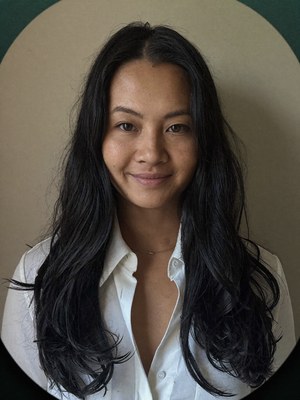
“I'll tell you straight on the call if DotVA isn't the right fit. I'd rather you go to the right agency than the convenient one.”
Jenn · Director, DotVA
Step 2 of 2
One step left: pick your time
Your details are with Jenn, but the call is not in her diary yet. Pick a time and it is locked in, about 20 seconds. Within 48 hours of the call you will have a written recap: the tasks we would delegate first, an indicative cost and a timeline.
Pick a time with Jenn now →Nothing that suits? Call (03) 9961 6076 and we will book it around you. Or leave it and Jenn will email you within one business day.
Looking for a VA job?
This form books a call with our client team.
It won't reach our hiring team, so it can't book you an interview. DotVA hires virtual assistants from the top 1% through a separate application system. If you think that's you, apply there with your resume, a short video and (if you have one) a little portfolio.
Apply at apply.dotva.com.au →Actually a business looking to hire a VA? Call (03) 9961 6076 or email [email protected] and we will sort it out.
Not ready for a call? Get an instant cost estimate (2 minutes, no email needed) or check if you are ready in 90 seconds.
VAs for other industries