Virtual Assistants for Denture Clinics (Australia)
A VA built for dental prosthetists: tracking denture lab jobs through the fitting sequence and chasing CDBS and DVA claims. From $12-17/hr AUD.
Reviewed by Jenn Yang · Director, DotVA · 87+ AU placements managed · Last checked 19 June 2026
30 minutes with Jenn, the founder. No card, no lock-in.
Lab-job tracking across the denture fitting sequence. Every patient is four to six appointments tied to a physical job moving between your chair and the lab, and if one try-in is overdue or one fitting is unconfirmed the whole sequence stalls and the chair sits empty.
When it peaks: Demand climbs in the new year as people use refreshed health-fund extras limits, lifts again before the end-of-calendar-year extras reset in November and December, and softens mid-winter. A VA lets you scale hours to the busy claiming windows without a permanent hire.
- Dental4Windows (Centaur) for clinical records and lab tracking
- Praktika (cloud practice management, prosthetist pricing)
- Core Practice (cloud dental software)
- Centaur D4W Cloud for multi-site denture practices
- HICAPS and Tyro for on-the-spot health-fund claiming
Where the time goes
- Every denture is four to six appointments, and your day collapses the moment one patient in the middle of a sequence no-shows or the lab work is not back in time for the fitting you booked.
- Lab jobs live half in your head and half in the practice software, so you only find out a try-in did not arrive when the patient is already in the waiting room.
- CDBS can only be claimed on behalf of a dentist and benefits cannot be lodged until the denture is actually fitted, so claims pile up at the wrong moment and get missed.
- DVA patients are a big part of your book, but the prior-approval and claiming paperwork through Services Australia is fiddly and time-sensitive, and it always lands when you are chairside.
- Reline, repair and review patients are the steady backbone of the clinic, but nobody is recalling them, so they only come back when something breaks.
- You are a registered prosthetist doing skilled clinical work, and you are spending evenings on the phone confirming appointments and re-keying claim numbers.
What a VA actually does for you
- Tracking every lab job through the build: impressions sent, bite registration, wax try-in, and fit, with a check that each stage is back before the booked appointment.
- Confirming the four to six appointments in each denture sequence and back-filling cancellations from a short-notice list so the chair does not go cold.
- Phoning the lab when a try-in or finished denture is overdue, and rescheduling the patient before they arrive to an unready appointment.
- Lodging CDBS claims through the supervising dentist once the denture is fitted, and DVA claims through Services Australia, then reconciling what was paid.
- Running reline, repair and annual review recalls so the maintenance work that keeps patients happy actually gets booked.
- Preparing patient quotes and payment-plan paperwork for partial and full dentures, and processing HICAPS or Tyro health-fund claims for sign-off.
- Keeping the recall and waitlist clean in Dental4Windows or Praktika so the prosthetist walks in to a confirmed, sequenced day.
Dental prosthetists are registered health practitioners under AHPRA and the Dental Board of Australia, and work within a defined scope of practice covering removable prostheses. A VA does administration only and never clinical work: it lodges Child Dental Benefits Schedule claims (which a prosthetist can only provide on behalf of a dentist) and DVA claims through Services Australia, prepares quotes and consent paperwork, and routes any clinical, scope, eligibility or fee-determination question straight back to the registered prosthetist, who owns every claim lodged in their name.
Reviewed by Jenn Yang, Director, DotVA. This describes how DotVA scopes a VA's work; it is general information only, not legal advice, and may not cover every state or situation. Confirm your own obligations with the relevant regulator or your adviser.
A denture clinic runs on two things: a registered prosthetist’s hands, and a logistics operation that follows a physical object through four to six appointments. The hands are yours. The clinical work, the impressions, the bite registration, the fit and adjust, is why a patient sits in your chair and not someone else’s, and it is the one part of the operation that cannot be handed to anyone. The logistics is everything else, and right now it is probably eating the hours that should go to the chair.
This is the page for the second part. Not the prosthetics, the engine behind them: the lab jobs, the sequenced appointments, the claims, the recalls. The part that decides whether your week runs to plan or falls apart the first time a try-in does not turn up.
Your lab jobs are the clinic, and they are scattered
Every prosthetist knows the feeling. A patient is partway through a full upper and lower, the wax try-in was due back from the lab today, and you only find out it has not arrived when the patient is already in the waiting room. Now you are apologising, rebooking, and quietly burning a chair slot you can never get back. Multiply that across a book where every single patient is a multi-stage build tied to a physical object moving back and forth, and you have the real reason the day feels chaotic.
A VA fixes this by owning the lab status as a system rather than a memory. Whether you run Dental4Windows, Praktika or Core Practice, the discipline is the same and it is a remote task: log each job as sent, at try-in, or back, with the date it is due, and check every job a day or two before its fitting is held. When something is running late, the VA is on the phone to the lab and rebooking the patient before they leave home, not after they have arrived to an unready appointment. That single habit, knowing what is where and chasing what has slipped, is the difference between a clinic that hums and one that lurches from one near-miss to the next.
The denture sequence is four to six appointments, and one gap stalls the whole thing
A denture is not a booking. It is a sequence: a consult, impressions, a bite registration, a wax try-in, the fit, and usually a review and an adjust after that. Each step depends on the last, and each one depends on the lab work being back in time. A no-show or a late cancellation in the middle does not cost you one appointment. It pushes the whole build back, often by a fortnight, and it wastes the lab slot you had already committed to.
Handed to a VA, the sequence becomes something that is actively managed. They confirm each stage ahead of time, keep a short-notice list so a cancellation gets back-filled instead of leaving the chair cold, and watch that the lab work is in before the fitting is held. You stay the one who decides clinically when the patient is ready to progress. You stop being the one personally ringing around at 8pm trying to plug a hole in tomorrow.
Claiming is time-sensitive, and it always lands at the wrong moment
Two claiming streams matter to most denture clinics, and both are fiddly in ways that bite. The Child Dental Benefits Schedule can only be provided by a dental prosthetist on behalf of a dentist, and a denture benefit cannot be claimed until the denture has actually been fitted. Lodge it against the wrong appointment and it bounces. DVA patients, who make up a meaningful share of many denture books, come with their own prior-approval and claiming steps through Services Australia, and those steps are time-sensitive in a way that does not forgive being left until you have a spare hour.
The trouble is the spare hour never comes, because the claiming work collides with the part of the day you are chairside. A VA changes that. They sequence the CDBS claim to the right post-fit appointment, work the DVA paperwork through Services Australia, process the HICAPS and Tyro health-fund claims, reconcile what was actually paid, and chase the rejections. Every claim still goes out in your name and under your sign-off. You just stop losing benefits because the lodging slipped through a busy week. If you want to read the exact wording, the Services Australia CDBS pages and the Dental Board scope standard are linked at the foot of this page.
Relines, repairs and reviews are the backbone, and nobody is recalling them
The new-denture work gets the attention, but the steady revenue in a denture clinic is the maintenance: relines, repairs, soft-liner refreshes, and the annual reviews that keep a set fitting well as a mouth changes. These patients are loyal and low-friction, and almost none of them come back on their own. They turn up when something cracks, which is the worst time for them and an awkward squeeze-in for you.
This is natural VA work. A consistent recall rhythm, run for you, brings the reline and review patients back on schedule instead of in a panic, and keeps the repair turnarounds quick because the slot was already planned. Over a year that steady maintenance book is worth more than any single marketing push, and it is exactly the kind of admin that quietly compounds while you are concentrating on the chair.
What your VA owns, and what stays yours
The boundary is clean and it matters, because you are a registered health practitioner and the line is not optional. Your VA owns the administration: lab-job tracking, appointment sequencing, claim lodging and reconciliation, recalls, quoting and consent paperwork, and keeping the recall list clean. You own the clinical work and every decision attached to it: the impressions, the bite, the fit, the judgement on whether a patient is ready to progress, and the fee determinations.
Because dental prosthetists are registered under AHPRA and the Dental Board of Australia and work within a defined scope of practice, the rule is simple and absolute: the VA does admin only and never anything clinical. The VA prepares the quote; you set the fee. The VA lodges the CDBS or DVA claim; you own it, and any eligibility, scope or clinical question comes straight back to you. Nothing about your registration or your clinical standing gets diluted, because none of it is what you are handing over. That clean separation is also why this differs from a general dental practice setup: the admin here is shaped entirely around removable-prosthesis builds and the claiming that attaches to them. If you run a broader practice as well, the dental practices VA page covers that wider world.
Why a VA beats a local reception hire for a denture clinic
The seasonality is part of the case. Your book breathes with the health-fund calendar: busy in the new year as people use refreshed extras limits, busy again before the end-of-year extras reset in November and December, quieter through the depths of winter. A permanent local receptionist is a fixed cost you carry all year, with super, leave and payroll-tax on-costs, whether or not the work is there. A VA lets you run more hours through the claiming rushes and wind back when the diary thins, paying only for what you use.
If you want real numbers on it, the 2026 cost breakdown walks through the tiers, or you can model your own hours on the VA cost calculator. If it is mainly the phones, the confirmation and rebooking calls that eat your evenings, the dental virtual receptionist page covers reception as a role of its own.
The clinical work is the reason your clinic exists. The lab jobs, the sequenced appointments and the claims are the reason it can only carry so many patients at once. A VA does not touch the first and quietly lifts the ceiling on the second. If that is the constraint you are feeling, book a free discovery call and we will map exactly which parts of your week come off first.
What a VA costs for Dental Prosthetists
Usually from the chairs you stop leaving empty. A denture is four to six appointments, and a single no-show in the middle of a sequence pushes the whole build back a fortnight while the lab slot sits idle. A VA confirming every stage and back-filling cancellations recovers more chair time in a week than the VA costs in a month.
Indicative only, based on DotVA's published tiers (admin $12-17/hr, specialist $18-25/hr, bookkeeping $25-35/hr) and typical hours for this industry. Run your exact numbers on the VA cost calculator or see the full 2026 cost breakdown.
FAQs for Dental Prosthetists
Can a VA track our lab jobs without being in the clinic?
Yes, and it is the single most valuable thing a denture-clinic VA does. The lab status lives in your practice software, not on the bench: each job is logged as sent, at try-in, or back, with a date it is due. A VA keeps that status accurate, checks every job a day or two before its fitting, and phones the lab the moment something is running late. The physical handling and the clinical judgement stay with the prosthetist. The system that tells you what is where, and the chasing when it slips, comes off your plate.
Who lodges our CDBS and DVA claims, and is that allowed?
The VA does the administrative lodging; the registered prosthetist owns every claim. For CDBS, a dental prosthetist can only provide services on behalf of a dentist, and a denture benefit cannot be claimed until the denture has actually been fitted, so the VA sequences the claim to the right appointment rather than lodging early. DVA claims go through Services Australia with their own prior-approval steps. The VA handles the keying, the reconciliation and the chasing of rejected claims, and routes any eligibility or fee-determination question back to you.
How does a VA stop the no-shows that wreck a denture sequence?
By treating every patient as a sequence, not a single booking. A denture is four to six linked appointments, and a no-show in the middle pushes the whole build back and wastes a lab slot. A VA confirms each stage ahead of time, keeps a short-notice list to back-fill cancellations, and watches that the lab work is in before the fitting is held. Fewer cold chairs in the middle of a build is usually where the VA pays for itself.
We only get busy around health-fund reset times. Do we commit year round?
No. The point of a VA over a local reception hire is that you scale the hours to your claiming windows. Run more hours through the January extras-refresh rush and the end-of-year extras reset in November and December, then wind back through the quieter mid-winter stretch, with no redundancy, no leave loading and no payroll tax. You pay for the hours the season actually needs.
Book a free discovery call
30 minutes, no card, no obligation. Tell us what's eating your week and we'll tell you what a VA can take off your plate.
1. Tell us what to take off your plate. 2. Pick a call time that suits you. 3. Meet your shortlist of 3-5 matched VAs, usually inside 7-10 days of the call.
87+ Australian placements since 2024, a 30-day replacement guarantee and no lock-in: cancel any time in your first 14 days, then 30 days' notice. Audit the 5-stage vetting process and how VA access is secured before you book.
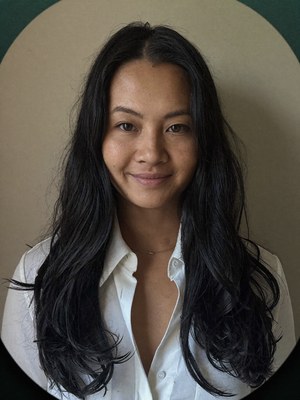
“I'll tell you straight on the call if DotVA isn't the right fit. I'd rather you go to the right agency than the convenient one.”
Jenn · Director, DotVA
Step 2 of 2
One step left: pick your time
Your details are with Jenn, but the call is not in her diary yet. Pick a time and it is locked in, about 20 seconds. Within 48 hours of the call you will have a written recap: the tasks we would delegate first, an indicative cost and a timeline.
Pick a time with Jenn now →Nothing that suits? Call (03) 9961 6076 and we will book it around you. Or leave it and Jenn will email you within one business day.
Looking for a VA job?
This form books a call with our client team.
It won't reach our hiring team, so it can't book you an interview. DotVA hires virtual assistants from the top 1% through a separate application system. If you think that's you, apply there with your resume, a short video and (if you have one) a little portfolio.
Apply at apply.dotva.com.au →Actually a business looking to hire a VA? Call (03) 9961 6076 or email [email protected] and we will sort it out.
Not ready for a call? Get an instant cost estimate (2 minutes, no email needed) or check if you are ready in 90 seconds.
VAs for other industries